Writing Prompt #15
WRITING EXERCISE #1
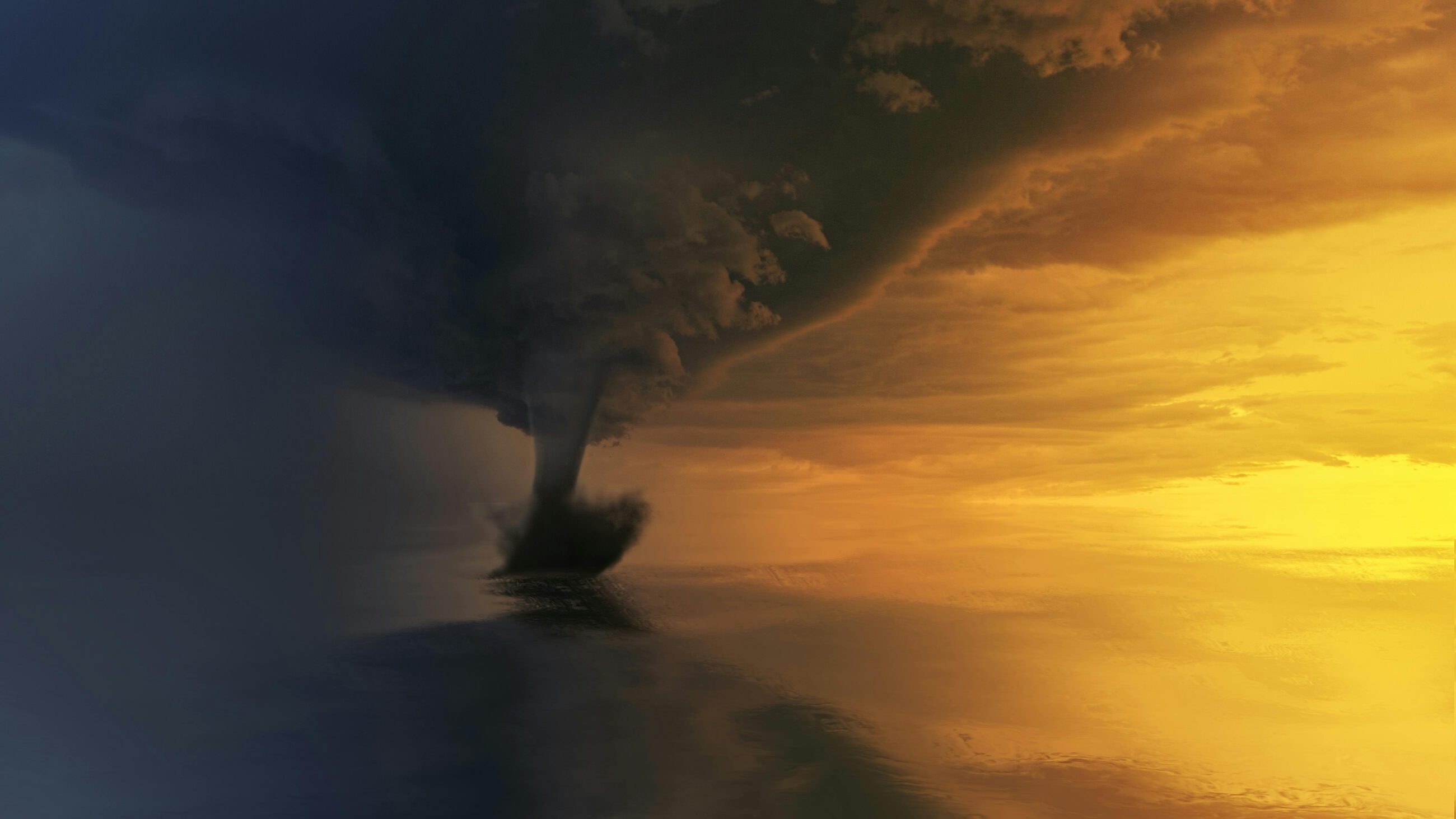
We are several weeks out from Hurricane Helene, the storm that caused widespread disaster in the southeast. Many communities will be cleaning up and rebuilding for months, if not years. It is hard to watch this from afar. Besides supporting the relief efforts and businesses in those regions, I find myself wanting to hold space for the enormity of the destruction. Yes, hurricane season is an annual occurence from June to November. However, the frequency and intensity of these storms is linked with climate change.
According to NASA:
“The warm waters in the Gulf of Mexico helped ‘fuel’ Hurricane Helene.”
Science News also reports on multiple studies that came to the same conclusion:
“An analysis by the international World Weather Attribution, or WWA, initiative, released October 9, analyzed the role of climate change in contributing to Hurricane Helene’s intensification and its torrential rainfall, including as it moved inland across the Southern Appalachian Mountains.”
“And, in a separate alert released October 7, Climate Central reported that elevated sea surface temperatures in the southwestern Gulf of Mexico were also behind the “explosive” increase in intensity of Hurricane Milton. The analysis found that the sea surface temperatures in the Gulf were made 400 to 800 times more likely over the past two weeks due to human-caused climate change.”
How do we hold all this information? How do we witness climate change in real-time? This writing exercise can help process the language of disaster. I went to one of the many news stories about Hurricane Helene and made a word list. Take this list or make your own. Use all the words or a few and write your own narrative about these recent events or anything relevant to your life.
How does the language of disaster speak to you? Write for 10 minutes.
WORD LIST
landfall
storm surge
twisted
metal
tarp
red
seawater
falling
debris
brown
gathered

A friend gifted me Not Too Late: Changing the Climate Story from Despair to Possibility last month and I appreciate the focus on possibility. It is a book and website and I urge you to check it out!
Not Too Late is the book for anyone who is despondent, anxious, or unsure about climate change and seeking answers. As the contributors to this volume make clear, the future will be decided by whether we act in the present—and we must act to counter institutional inertia, fossil fuel interests, and political obduracy.
Contributors include Julian Aguon, Jade Begay, adrienne maree brown, Edward Carr, Renato Redantor Constantino, Joelle Gergis, Jacquelyn Gill, Mary Annaise Heglar, Mary Anne Hitt, Roshi Joan Halifax, Nikayla Jefferson, Antonia Juhasz, Kathy Jetnil Kijiner, Fenton Lutunatabua & Joseph Sikulu, Yotam Marom, Denali Nalamalapu, Leah Stokes, Farhana Sultana, and Gloria Walton
WRITING EXERCISE #2
One section that stood out to me was “An Extremely Incomplete List of Climate Victories” (pages 92-102). This is a list of climate victories starting in 1974 ranging from The UN Framework Convention on Climate Change in 1994 to 2020 when the state of Texas gets more power from wind than coal for the first time.
As a writing exercise, write your own “extremely incomplete list.” Take this where it takes you. Your list can be about climate victories, climate fears, small wins in your community, small noticing in your backyard. Write for 20 minutes.
Save your list and visit it often.