Environmentalists Anonymous-Day 8
5/24/23
Our writing prompts this week were again a gift from Tina Welling’s book Writing Wild.
She writes:
Today, read the weather using all of your senses. Record what you see, smell, feel, and hear. Check your body for any responses—for example, old breaks in bones that ache from the cold or dampness in the air, or a kind of excitement in the belly from detecting a change in season. Predict the weather for the rest of the day.
We then shifted gears and did another exercise from this same book.
To enhance the relationship between your body and the earth, draw an outline of the human form on a piece of paper and color in nature images and symbols on the body.
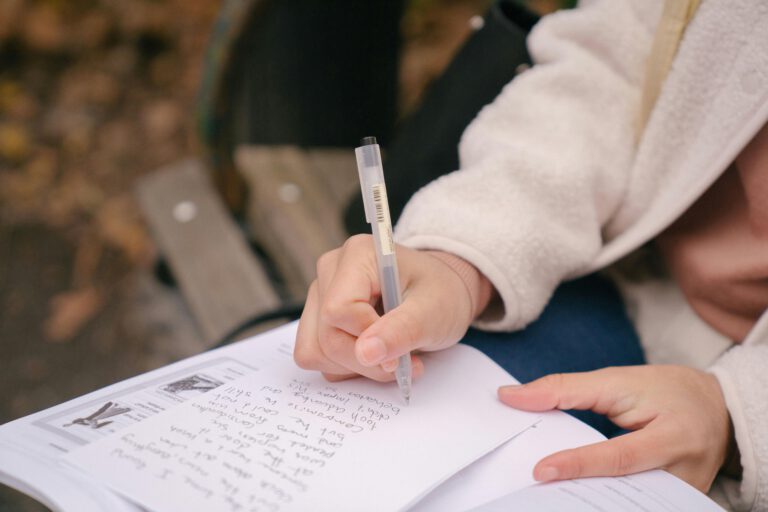
Drawing in silence together opened up a new vein of creativity. We talked about how it helped us think about our writing in a new way. Once we completed our drawings we shared and described the things we had drawn and how they correlated to that part of the body. We took these new phrases home, like “dahlia tuber feet,” “forest body,” “sunflower seed pockets,” and “hummingbird nest heart” to use in longer pieces.
These activities centered around a “desire to live a life of relatedness to our body and the earth,” according to Welling.
The weather in Washington has been gorgeous and I have been outside on our farm or out at parks and other green spaces a lot more lately. This change from spring to summer is always a time when I feel more in my body and more connected to the outside world.
What activities help you feel physically connected to the environment? What do you do with that sense of connection?
Additional Resources
Here is another book we discussed that built on our EA-Day 7 talk about food and farming:
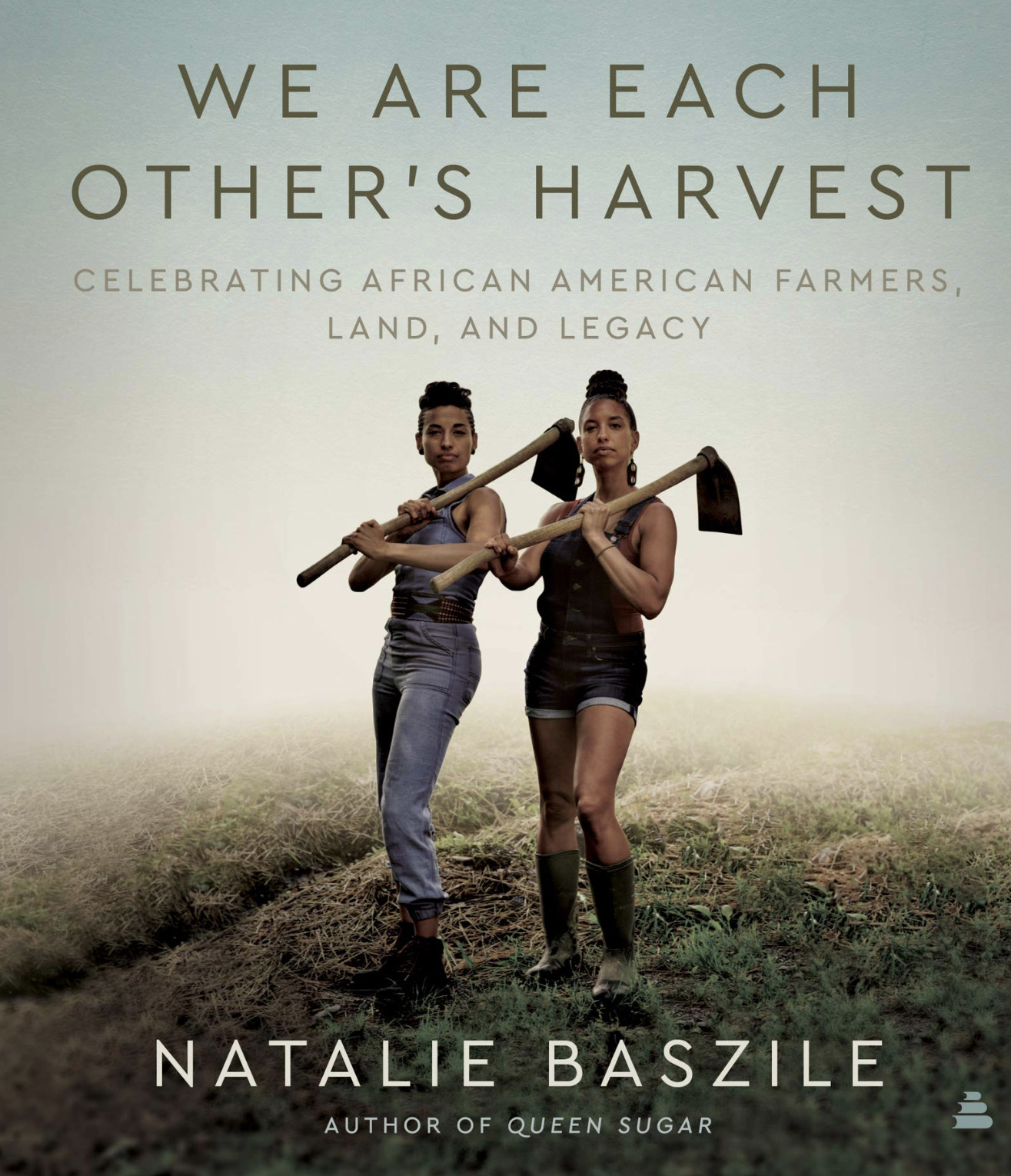
We Are Each Other’s Harvest by Natalie Bazile:
In this impressive anthology, Natalie Baszile brings together essays, poems, photographs, quotes, conversations, and first-person stories to examine black people’s connection to the American land from Emancipation to today. In the 1920s, there were over one million black farmers; today there are just 45,000. Baszile explores this crisis, through the farmers’ personal experiences. In their own words, middle aged and elderly black farmers explain why they continue to farm despite systemic discrimination and land loss. The “Returning Generation”—young farmers, who are building upon the legacy of their ancestors, talk about the challenges they face as they seek to redress issues of food justice, food sovereignty, and reparations.
Joanna Macy’s Climate Crisis as Spiritual Path link.https://www.joannamacy.net/main
Whatcom County’s Multifaith Network for Climate Justice
Our next in-person meeting is June 14th from 12-1 pm at Village Books All are welcome. You can also follow along here on my substack page which includes regular posts and a new podcast!
Environmentalist Anonymous meets the 2nd and 4th Wednesday at Village Books from 12-1 pm. This is free and open to the public. I will email a synopsis of our gathering and post on my substack page, Her Deepest Ecologies, for easier access (no subscription required to see writing group updates).