
Writing Prompt #10
what is your work? what is working?

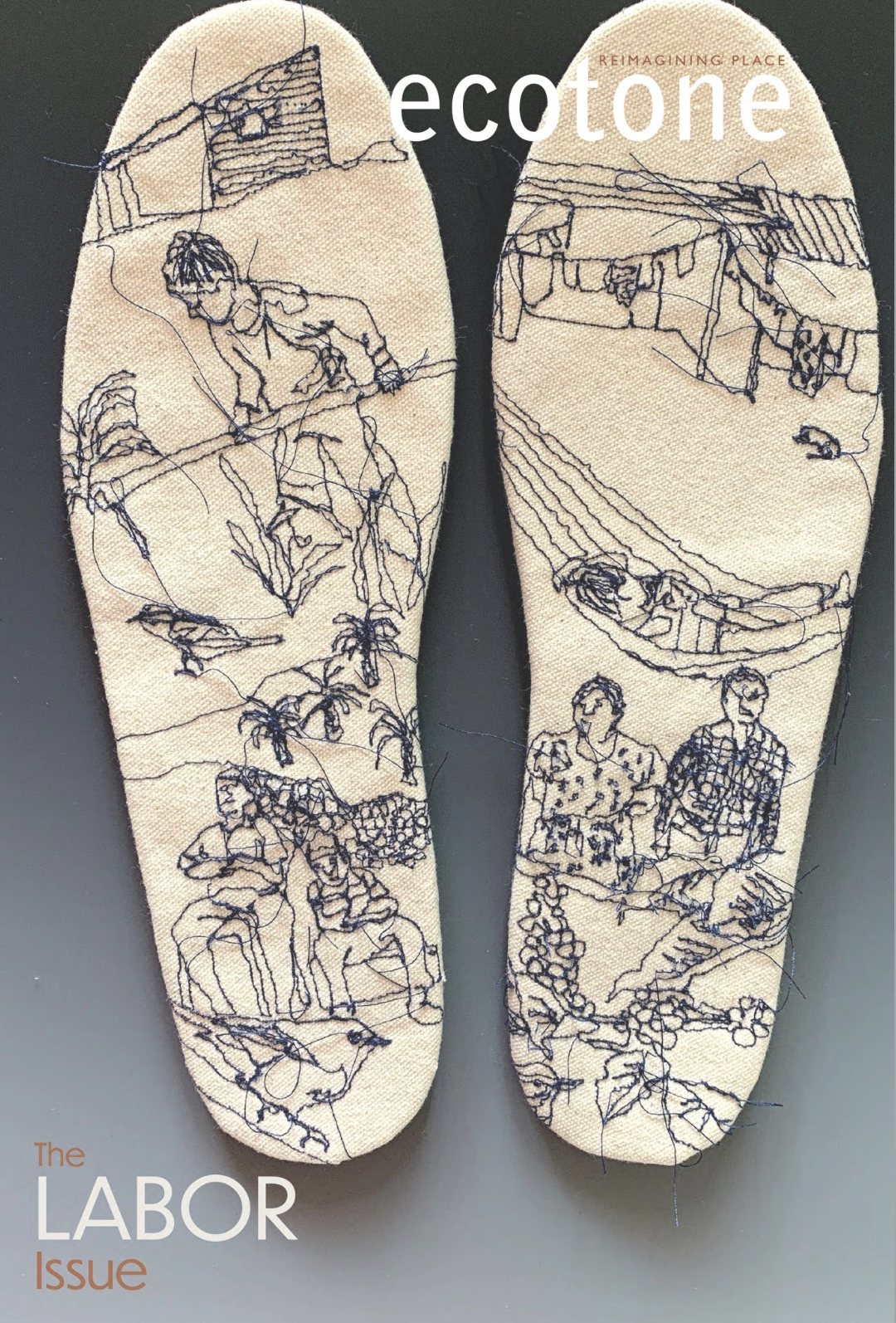
The latest issue of Ecotone arrived in my mailbox. The Labor Issue. I am thoroughly enjoying the pieces in this issues, especially the poem “Monday Back to Work” by Lily Greenburg.
I get by pretending to believe in phrases
like “circle back” and “touch base” but
I don’t even know how to make coffee
and it’s difficult to teach me.
I have been thinking about the jobs we do in the world and how they affect the natural world, either directly or indirectly. Currently my work is writing, farming, and mothering—three roles that require both mental awareness and physical strength (well at least the farming and mothering part).
When people say “there is a lot of work to do” in regards to the environment, I often wonder what they mean. What is the actual labor required to reverse climate change? What forms of work are we talking about?
JOURNALING QUESTIONS:
How does writing help the Earth? Do you believe that writers can be on the front lines of creating effective change against climate change?
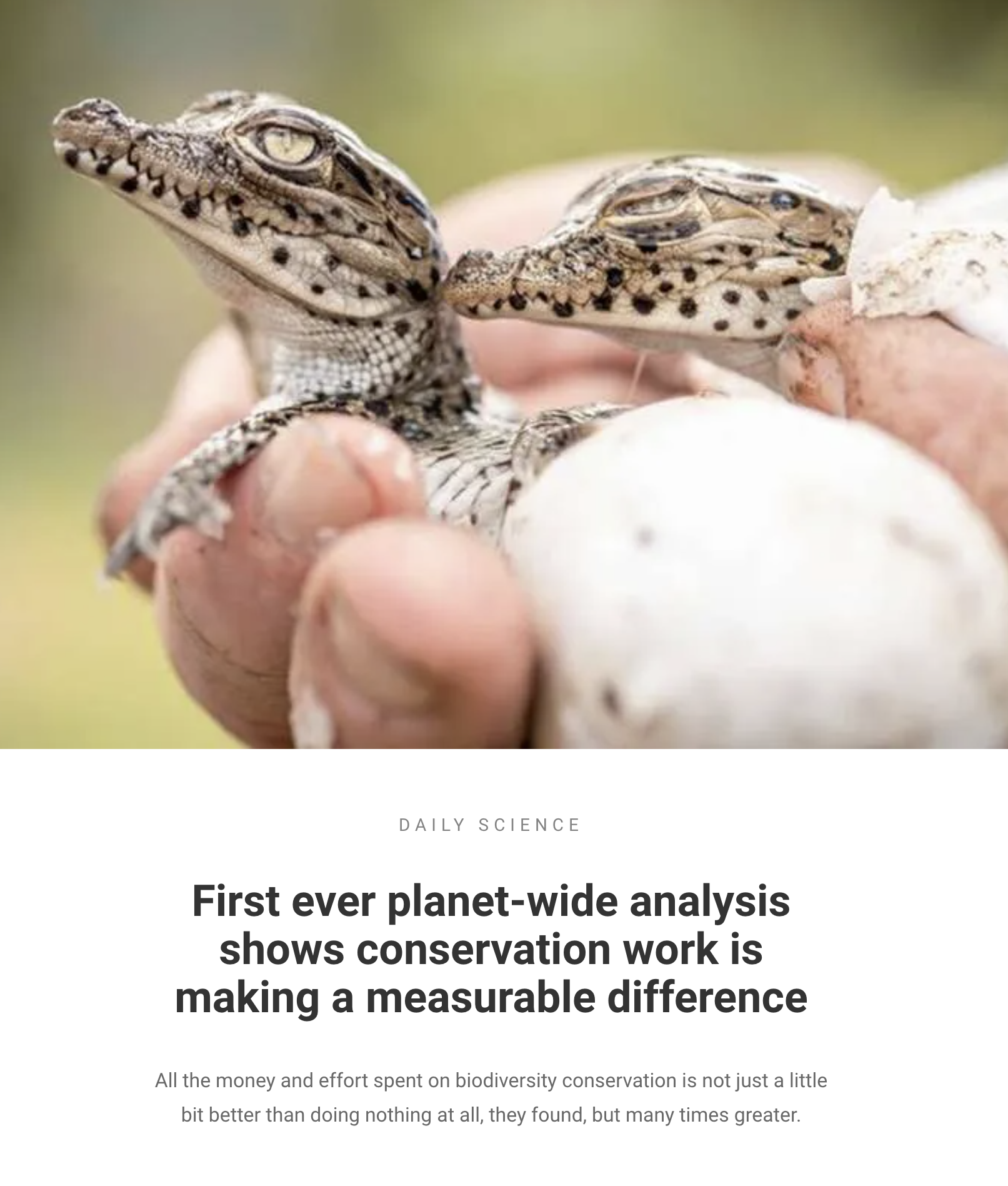
Thinking about work, I stumbled onto this article in Anthropocene Magazine by Warren Cornwall. It describes some good findings about conservation efforts.
With funding from the International Union for the Conservation of Nature—an alliance of governments and NGO’s that is a leading international organization tracking biodiversity—33 scientists affiliated with universities, governments and conservation groups sat down to scrutinize the track record of conservation initiatives.
The group looked at 186 published studies and compared the results to “circumstances where nothing was done.” The results were resoundingly positive!
They found that 45% of those metrics showed an improvement in biodiversity, and another 21% found an intervention had at least slowed the decline, the scientists reported last week in Science.
“Our study shows that when conservation actions work, they really work. In other words, they often lead to outcomes for biodiversity that are not just a little bit better than doing nothing at all, but many times greater,” said Jake Bicknell, a conservation scientist at the United Kingdom’s University of Kent, who took part in the study.
Overall, targeting invasive and “problematic” species showed the biggest effect. For instance, removing raccoons and wild pigs that feasted on turtle and bird eggs translated into big gains for loggerhead turtles and least terns in two Florida islands. Restoring habitats and stopping their loss generally performed well. So did trying to manage ecosystems in a sustainable way, such as putting forest management plans into logging contracts in Africa’s Congo Basin.
This type of collaborative, meta-analysis gives me hope, even if 20% of the time conservation did more harm than good and 12% of the time things improved with human help.
WRITE & REFLECT:
What conservation work do you believe is working? Are there any environmental success stories that you want to write about? On a personal level, is there work that you do that you believe is making a difference. This can be big or small, like replanting a forest or recycling that plastic take-out container. Write about this work in as much detail as possible.
Feel free to post an excerpt below, if you feel like it. We need as much good news as possible these days!