End of July
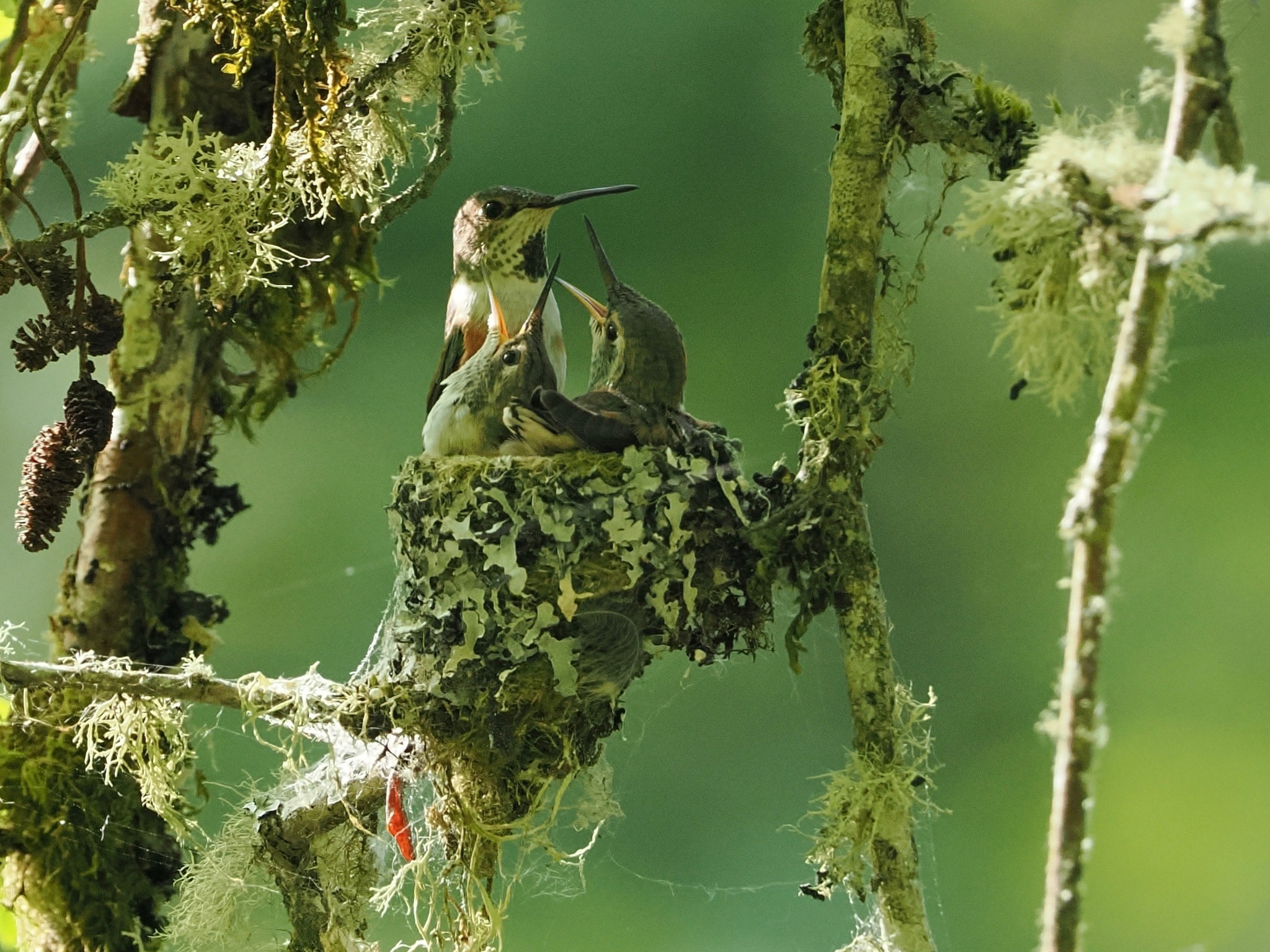
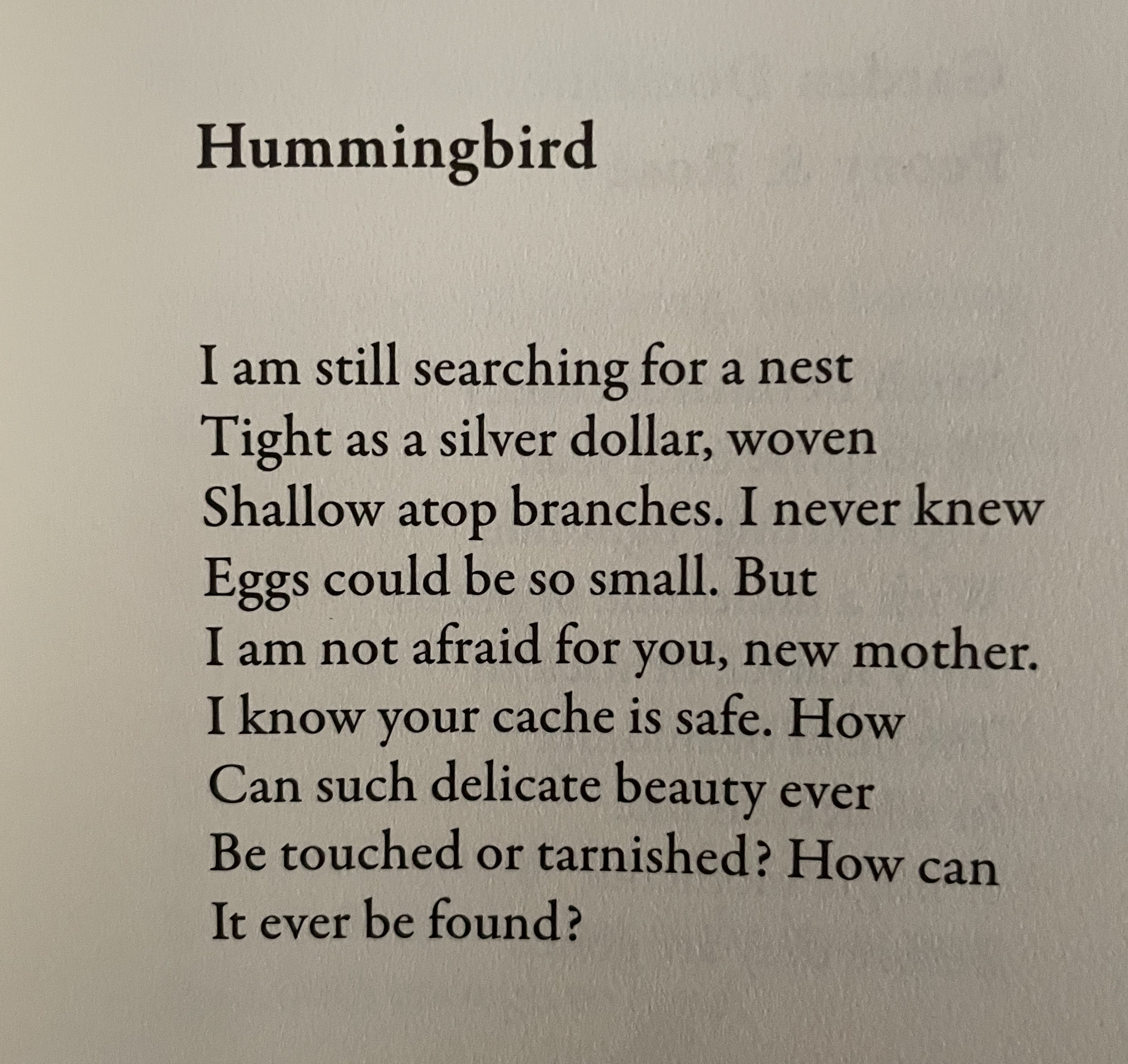
I have yet to find a hummingbird nest, although I have spent a lot of time looking for one around the farm. Hummingbirds are abundant here, but no nests? I know I just need to keep looking, but it seems like the more I want to find one the less likely I will.
This Wendell Berry quote has been floating around the internet and it gave me pause. It is from his first essay collection The Long-Legged House:
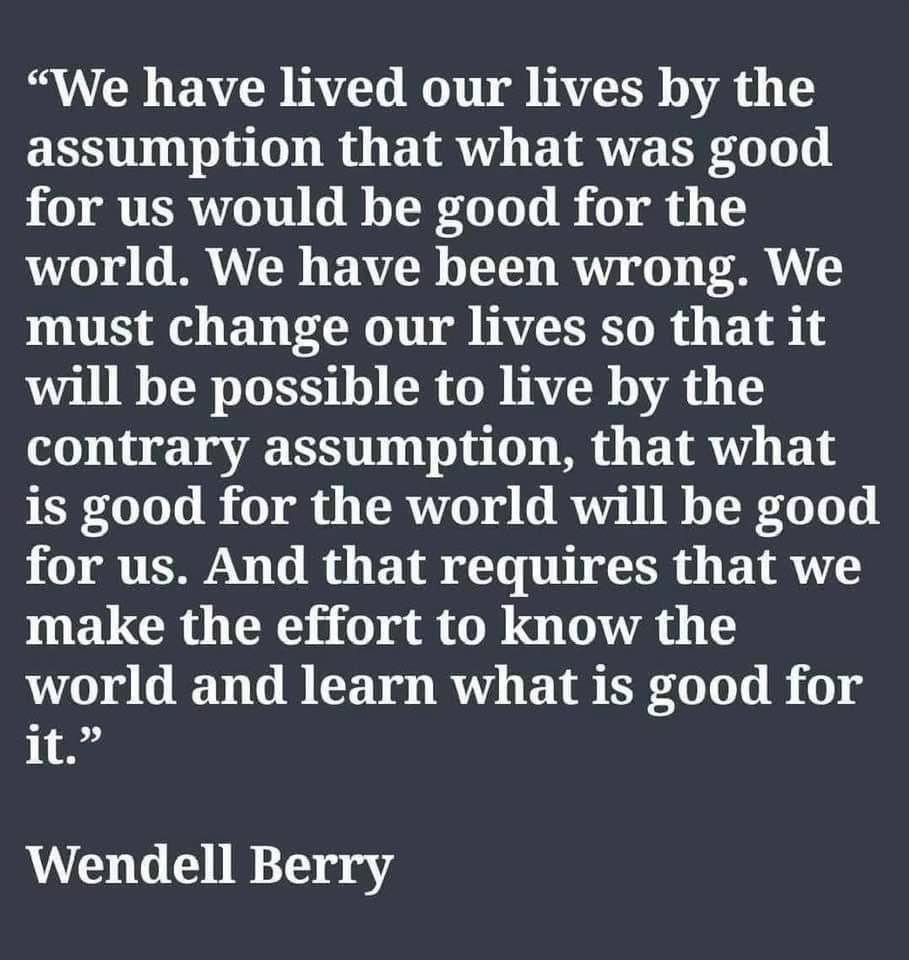
Knowing the world and what is good for it may sound like science, but it is something more. It is an act of deep listening. It is receptivity. It is working with land and writing about our relationship to the Earth—what we see, feel, hear. I am teaching an Embodied Nature Writing class in July and we have been talking about how to integrate self-knowledge and the body with awareness of the physical and biological world around us. It is so easy to desensitize and disconnect and miss the many details of a landscape. Writing helps.
Given the recent loss of research funding for eco-oriented agencies, like the Environmental Protection Agency, I wonder how we will continue to know what is good for the world and if we can come to some sort of moral and ethical agreement on how to adapt and mitigate the effects of climate change.
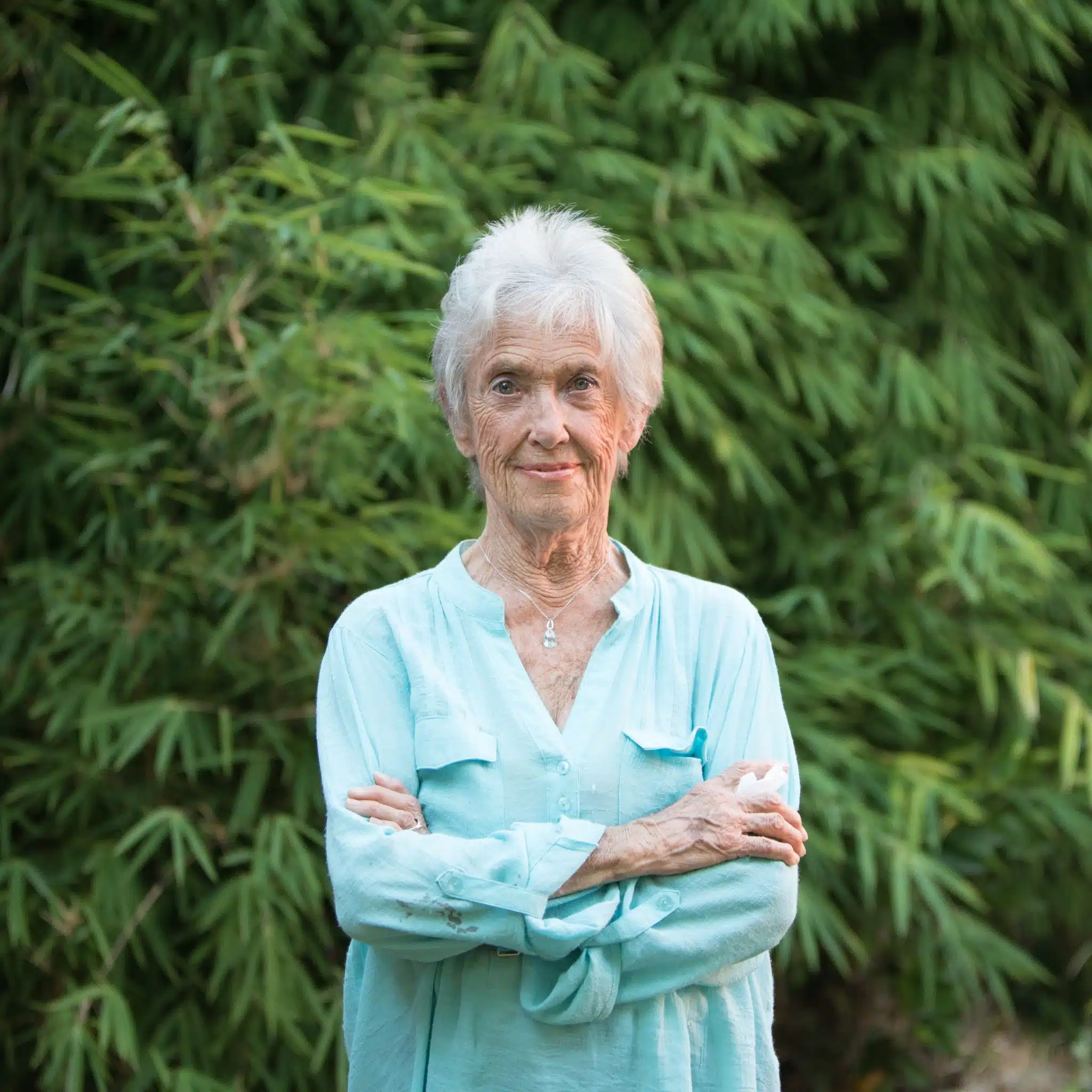
Joanna Macy passed this week and her legacy of loving and knowing the world through the field of sacred ecology lives on. This interview with On Being is very illuminating. “A Buddhist philosopher of ecology, Joanna Macy says we are at a pivotal moment in history with the possibility to unravel or create a life-sustaining human society.” The interview is from 2010.
A life-sustaining human society. What does that look like? Are we living in that now? Is anything we have created good for the world or do we need to scrap everything, all our systems and institutions, and start over?
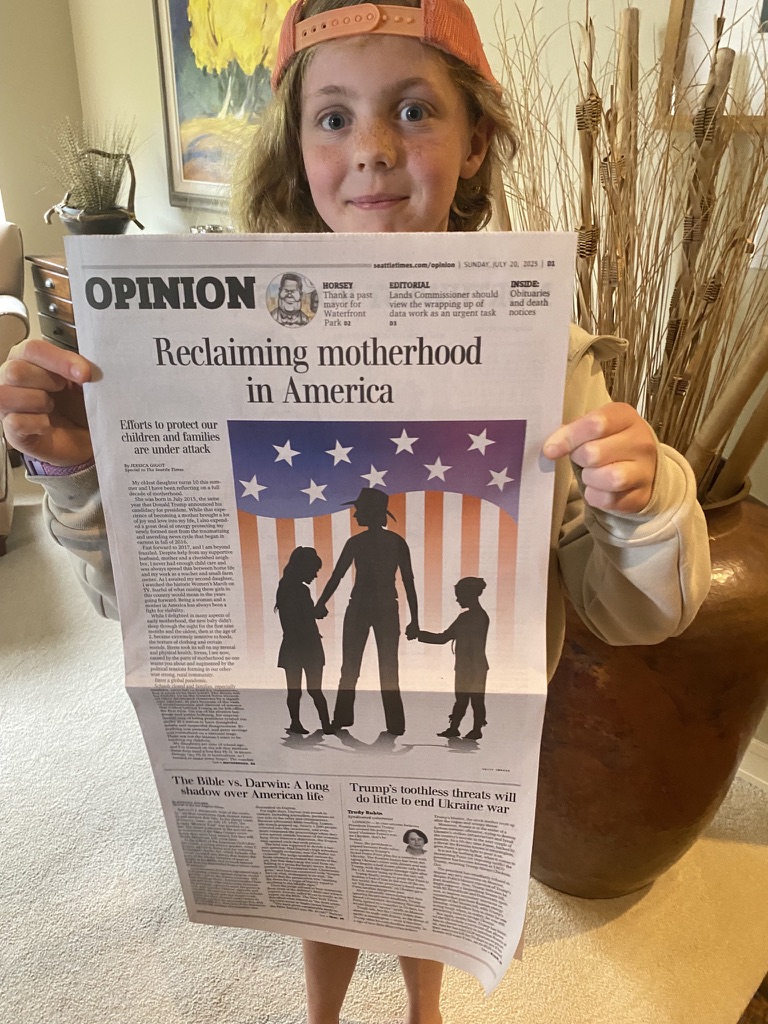
I recently wrote an op-ed for the Seattle Times and I am glad it struck a chord with people—both positive and negative. We need decent, honest leaders at this time in history and a way to hold opposing viewpoints with compassion. This summer my oldest daughter turned 10 and I am hopeful that the next decade will bring workable solutions, more peace, and sustainable innovation.
Sometimes finding hope in the face of political division and environmental catastrophe can be as hard as finding a hummingbird nest in acres of shrubbery, but we still have to try.
Tonight is the next Edison Poetry Series reading and I look forward to hearing from these important poets. I am trying to enjoy summer while paying attention to the news and what is needed in our world right now. I invite you to do the same—stay engaged and take care of yourself. This wounded world needs you more than ever.