Writing Prompt #12
What is nature writing? What is time?
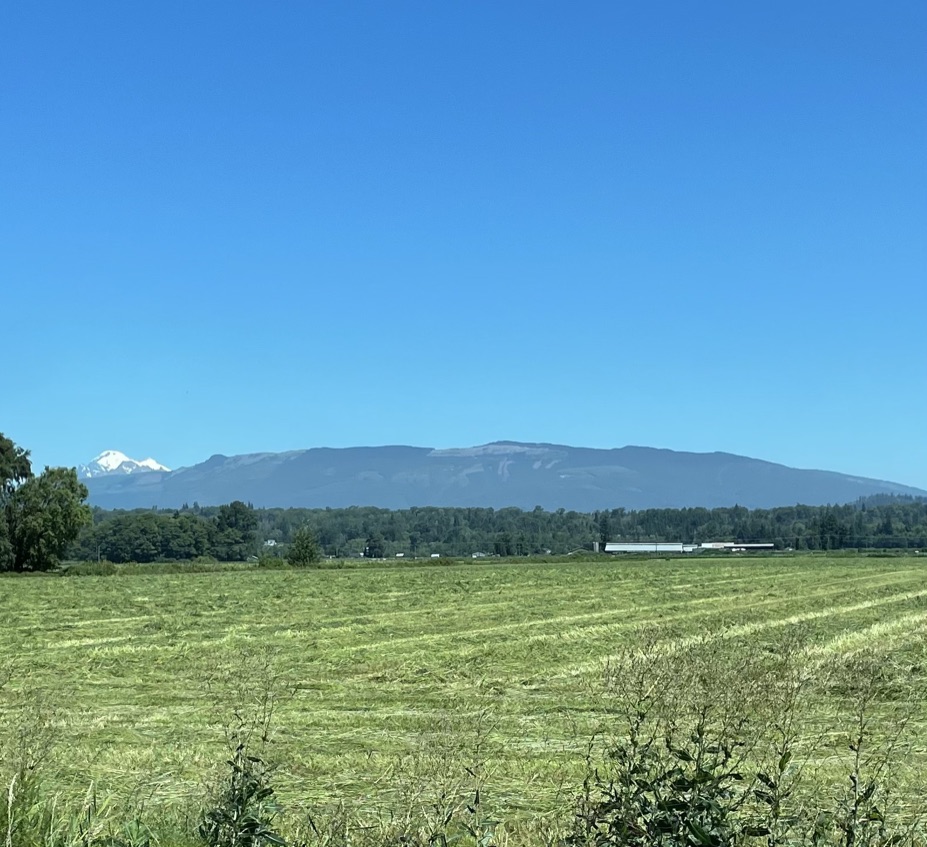
We are deep in summer and the field next door was just cut for hay silage—a sign that time is passing and rain is out of the picture. I have been reading a lot this summer, but I still feel behind on my summer reading stack since I keep coming across interesting articles.
This prompt goes in a few directions and is inspired by a few articles I’ve read recently. The first one “What “Nature Writing” Means Now: New Paradigm Shifts in America’s Oldest Writing Tradition” is by Laure Pritchett in Writers Digest. She is the Director of the MFA in Nature Writing at Western Colorado University. In this article she talks about why she likes the term nature writing:
Nature. Writing. Those words get contested a lot, and not a day goes by that I’m not questioned about them, either by prospective students or by friends or readers. Some think it old-fashioned and dead, others have convoluted replacement phrases, some of which make me giggle. Me, I am sticking with “nature writing,” because “nature” is an encompassing word for the focus and black squiggly marks that constitute writing is what we are doing. On top of that, one could argue that Nature Writing is American’s one unique contribution to the literary canon.
When starting my Environmentalists Anonymous Writing Group at Village Books, I struggled with a name. I wanted to encompass both nature and critical ecowriting that not only celebrated nature, but probed our role of humans in climate change and misuse of many natural resources. Maybe those topics can all still fit within the context of “nature writing,” but I am not totally sure. I appreciate Pritchett’s decisiveness in this article.
To my mind, nature writing has evolved tremendously. The first major shift was (and is) the inclusion and celebration of underrepresented voices and places. As in, the writers were new.
The second shift: More works are being collaboratively written and experimentally written. That is to say, the form has become new and fresh.
The third and most recent shift is that the voice is new, in that writings are both more urgent and more brave. I don’t know how to say it except to say that the vibe is stronger, more intense, more laser-focused, particularly in the ways authors speak to social and environmental justice. It’s like the gentrified tea parties of yesteryear got taken over by ragers.
Writing Warmup: What does the term “nature writing” mean to you?
Write for 5 minutes.
In this NPR story, “Days are getting slightly longer — and it’s due to climate change” I learned that the extreme melting of the ice caps is causing our days to be longer:
As temperatures rise, massive amounts of ice are melting from Greenland and Antarctica. That meltwater flows into the oceans, redistributing the mass closer to the equator. When the planet is thicker around the middle, its daily rotation takes a bit longer.
While this shift is very minor (milliseconds!) it is enough to affect computer systems which could impact several things, including financial transactions.
Writing Prompt: If the Earth’s daily rotation will take a bit longer, what would you do with a longer day?
Try writing in a genre out of your comfort zone—fiction or poetry?
Write for 15 minutes, take some creative liberties!
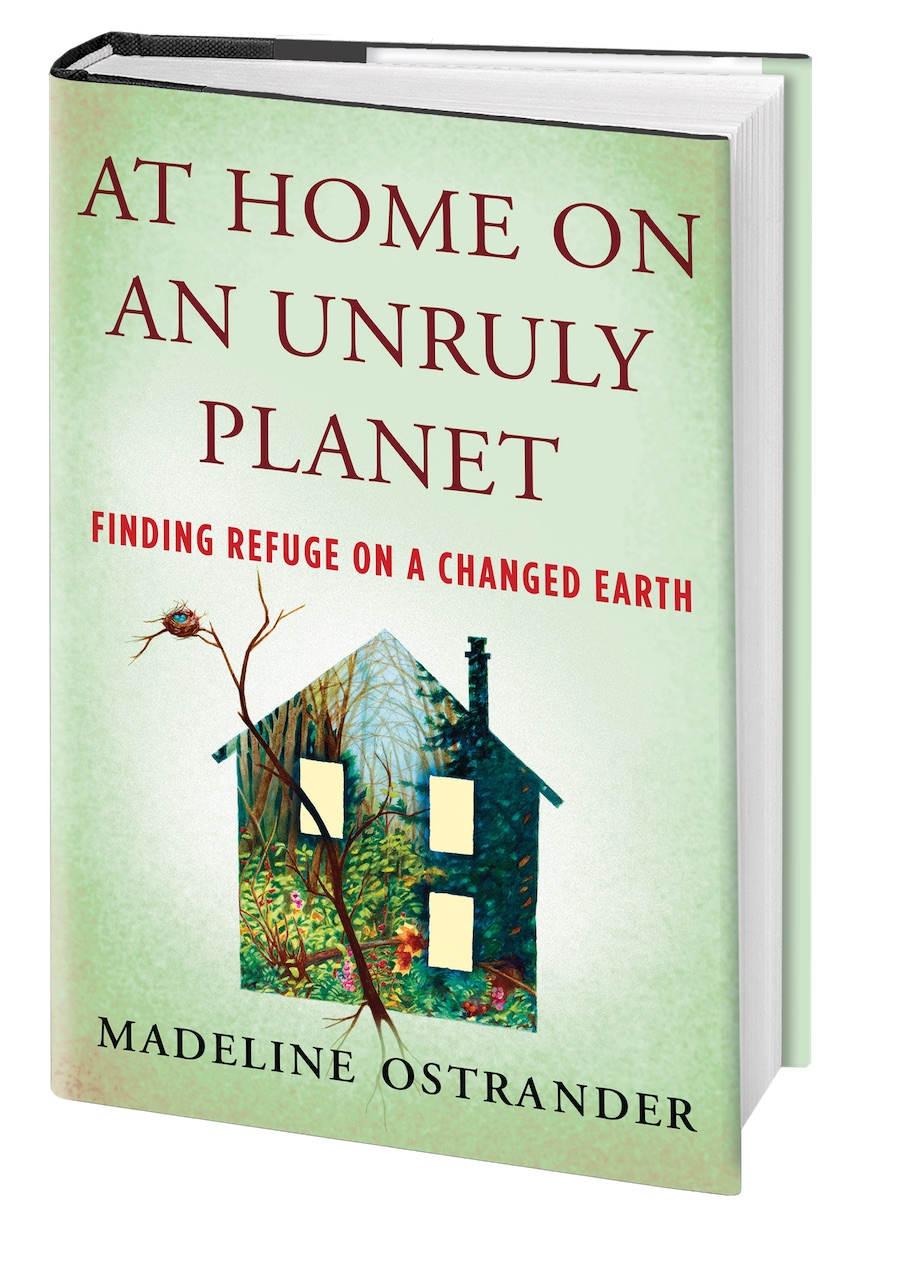
Last year I met science journalist, Madeline Ostrander, at an Association of Literature and the Environment Conference in Portland. Her book, At Home on an Unruly Plant: Finding Refuge on a Changed Earth, “reflects on the climate crisis not as an abstract scientific or political problem but as a palpable force that is now affecting all of us at home. She offers vivid accounts of people fighting to protect places they love from increasingly dangerous circumstances.”
Especially in this era of catastrophe, we can always distract
ourselves with the next fire, the next flood, the next tragedy—ride
the crest of the drama without asking what happens in the years after
a place burns. But it seemed especially important to me to understand
what makes it possible for people to recover in this era of more common
disasters.
I think her work is important because is asks us to not get distracted by the next, horrible thing, but to pay attention to what is actually happening and to learn how we can adapt and change in the face of disaster. This book is a hopeful and practical reality check!
Happy writing (and reading)!